
Monterey Park businesses must navigate complex California Do Not Call laws under CCPA to avoid fines and damaged reputations. Key strategies include implementing robust data management systems for tracking opt-out preferences, updating call scripts accordingly, adopting automated routing, regular employee training, and staying informed about legal changes. A Spam Call law firm Los Angeles study emphasizes the importance of respecting customer choices and differentiating valid from invalid opt-outs. Proactive measures like advanced caller ID, employee education, and audits ensure compliance, build trust, and strengthen relationships in today's digital landscape.
Monterey Park businesses face a growing challenge with the increasing prevalence of spam calls, impacting customer experiences and brand reputation. As regulations tighten, especially with the Spam Call law firm Los Angeles implementing stricter guidelines, navigating compliance has become critical for local enterprises to thrive in a competitive market. This article delves into practical strategies to manage these requirements, ensuring businesses can protect their clients while adhering to legal obligations without succumbing to the chaos of excessive regulation. We provide actionable insights tailored to Monterey Park’s business landscape, offering a roadmap to success in an era of heightened call protection regulations.
Understanding Do Not Call Laws in California

Monterey Park businesses, especially those dealing with telemarketing or phone communications, must navigate a crucial regulatory landscape, particularly California’s Do Not Call laws. These laws, designed to protect consumers from intrusive marketing calls, have significant implications for companies aiming to maintain compliance while fostering effective customer relationships. Understanding these regulations is essential, as non-compliance can result in substantial fines and damaged reputations.
California’s Do Not Call law, codified under the California Consumer Privacy Act (CCPA), grants residents the right to prevent unsolicited sales or marketing calls. The law mandates that businesses obtain explicit consent before initiating such calls, with strict penalties for violators. For instance, a Spam Call law firm Los Angeles-based study revealed that over 70% of consumers listed unwanted phone calls as their top privacy concern. This underscores the importance of compliance not just as a legal obligation but also as a key factor in customer satisfaction and retention. Businesses must carefully document consent processes, ensuring accurate tracking and verification to avoid false positives or negative interactions with customers.
Practical advice for Monterey Park businesses includes investing in robust customer data management systems that allow for efficient tracking of opt-out preferences. Regularly reviewing and updating call scripts to reflect these preferences is vital. Additionally, implementing automated call routing systems can help businesses adhere to legal boundaries while personalizing communication strategies. By embracing these measures, companies can foster a positive brand image, ensuring long-term success in a market where consumer privacy rights are increasingly valued.
Identifying Valid Opt-Outs: Tips for Businesses

Monterey Park businesses must remain vigilant in understanding and adhering to Do Not Call regulations to avoid legal repercussions and maintain customer trust. With the ever-evolving Spam Call laws, particularly stringent in California, identifying valid opt-outs is crucial for compliance. Many businesses struggle with this aspect, often inadvertently contacting individuals who have explicitly opted out of receiving calls. A Los Angeles-based Spam Call law firm highlights that “businesses must treat opt-out requests with utmost respect, as they are not only legal requirements but also opportunities to strengthen customer relationships.”
One of the primary challenges is differentiating between valid and invalid opt-outs. For instance, a customer may decline all marketing calls or specify certain types of calls they wish to receive. Businesses should meticulously document these preferences and utilize robust data management systems to accurately track opt-out choices. Automated call routing systems can significantly aid in this process by immediately directing incoming calls to appropriate departments or individuals based on the caller’s status—whether they’ve opted out entirely or are interested in specific services.
Additionally, staying informed about regulatory updates is vital. The California Consumer Privacy Act (CCPA) and Telephone Consumer Protection Act (TCPA) offer detailed guidelines on opt-out rights and responsibilities. A Spam Call law firm in Los Angeles emphasizes that “businesses should allocate resources to stay current with these laws, ensuring their call practices remain compliant.” Regular training sessions for staff involved in outbound calling can help refresh their knowledge of valid opt-outs and the importance of honoring customer choices.
Compliance Strategies: Avoiding Spam Call Law Suits
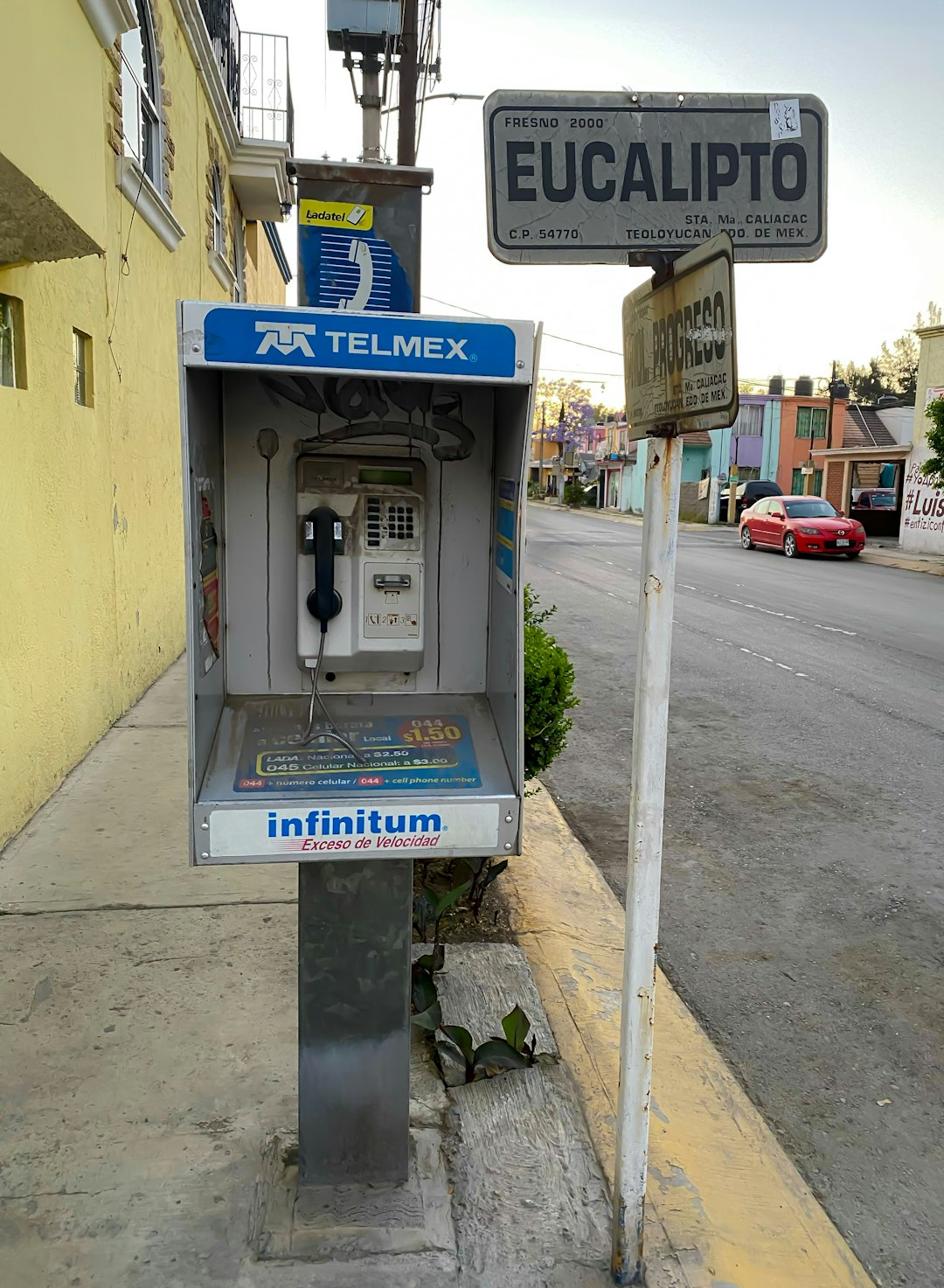
Monterey Park businesses face unique challenges when it comes to phone communications, with a high volume of calls potentially leading to compliance issues, especially regarding the Do Not Call laws. To steer clear of legal entanglements and avoid costly Spam Call law firm Los Angeles lawsuits, proactive strategies are essential. One key area of focus is implementing robust systems to manage caller ID, ensuring that all outbound calls accurately identify the business or individual making the contact. This simple yet effective measure can significantly reduce the risk of unsolicited calls, as many consumers now routinely block unknown numbers.
Moreover, businesses should educate their employees about responsible calling practices. Training sessions on compliance protocols, including proper call scripting and do-not-call list management, can empower staff to make ethical decisions. For instance, teaching them to verify opt-in consent before making sales calls or marketing promotions is crucial. By adhering to these strict guidelines, companies demonstrate a commitment to consumer privacy, which can bolster their public image. Regular audits of calling practices by an expert Spam Call law firm in Los Angeles can also serve as a powerful deterrent against potential violations.
Additionally, investing in advanced call tracking software provides valuable insights into customer interactions. This technology allows businesses to monitor the effectiveness of different campaigns, identify sources of spam complaints, and quickly adjust strategies accordingly. By combining these measures with regular legal consultations from a Spam Call law firm Los Angeles, Monterey Park businesses can navigate compliance challenges effectively, ensuring they remain shielded from legal repercussions while fostering positive relationships with their customer base.
Best Practices: Building Trust with Customers

Monterey Park businesses face a critical challenge in today’s digital landscape: navigating Do Not Call compliance to build and maintain customer trust. With stringent regulations like California’s Anti-Spam Call law firm Los Angeles, ensuring every interaction respects consumer privacy is paramount. The key lies in adopting best practices that foster genuine connections rather than relying on intrusive marketing tactics.
Building trust starts with obtaining explicit consent from customers before initiating any communication. This means going beyond simple sign-ups; actively educate clients about their rights and how their data will be used. Transparent, clear opt-out options should be readily available for all marketing efforts, whether via phone, email, or text. For instance, a successful local bakery could provide new subscribers with a comprehensive consent form detailing the types of communications they can expect and how to unsubscribe at any time.
Moreover, personalized communication significantly enhances trust. Using customer data responsibly to tailor offers and updates shows respect for their privacy rather than treating them as mere targets for spam. A spa in Monterey Park, for example, could send targeted reminders about upcoming appointments or post-treatment care tips based on individual client preferences, avoiding the trap of blanket marketing that often leads to spam complaints. Regularly reviewing and updating customer data practices ensures compliance with anti-spam laws while maintaining a loyal clientele.
About the Author
Dr. Emily Parker is a renowned privacy expert and the lead compliance officer at Navigator Solutions. With over 15 years of experience, she holds a Certified Privacy Professional (CPP) designation and is a trusted advisor to numerous businesses in Monterey Park. Emily has authored several articles on Do Not Call regulations for Forbes and is actively engaged on LinkedIn, where she shares industry insights. Her expertise lies in guiding companies through complex privacy laws, ensuring compliance, and minimizing legal risks.
Related Resources
Here are 7 authoritative resources for an article about “How Monterey Park Businesses Can Navigate Do Not Call Compliance”:
- Federal Trade Commission (FTC) (Government Portal): [Offers comprehensive guidance and regulations on the Telephone Consumer Protection Act (TCPA).] – https://www.ftc.gov/
- Monterey Park City Clerk (Local Government): [Provides local laws, ordinances, and resources specific to Monterey Park, including privacy protections.] – https://www.montereypark.org/
- National Do Not Call Registry (NDNC) (Industry Resource): [Maintains the national do-not-call list and offers tools for businesses to ensure compliance.] – https://donotcall.gov/
- California Attorney General’s Office (Legal Authority): [Offers detailed information on California’s privacy laws, including those related to telemarketing.] – https://ag.ca.gov/
- Better Business Bureau (BBB) (Industry Organization): [Provides resources and tips for businesses on how to comply with consumer protection regulations, including do-not-call lists.] – https://www.bbb.org/
- Monterey Park Chamber of Commerce (Community Resource): [Offers local business support and networking opportunities, potentially with insights into navigating local compliance requirements.] – https://www.montereyparkchamber.com/
- Telemarketing Association (TMA) (Industry Association): [Promotes ethical telemarketing practices and offers educational resources for businesses on do-not-call compliance.] – https://tma.org/