
Robocalls are a major nuisance in Los Angeles, prompting residents to take action. Do Not Call Lawyers Los Angeles play a vital role by ensuring businesses adhere to strict regulations on explicit consumer consent. They close legal loopholes to curb excessive robocalls. Practical steps include blocking numbers, enrolling in registries, and adopting advanced call-blocking tech. By combining these strategies with proactive legislation and public awareness, Los Angeles aims to create a peaceful communication environment, reducing the frequency of unwanted automated calls.
In the digital age, robocalls have become a pervasive nuisance, particularly in densely populated areas like Los Angeles. These automated phone calls, often from telemarketers or scammers, not only disrupt daily life but also pose significant risks to consumer privacy and security. The sheer volume of robocalls can overwhelm traditional Do Not Call lists managed by Do Not Call Lawyers Los Angeles, highlighting the need for innovative solutions. This article delves into the multifaceted role of technology in combating this modern-day challenge, exploring cutting-edge tools and strategies that promise to revolutionize call blocking and protect residents from unwanted intrusions.
Understanding Robocalls: The Los Angeles Challenge
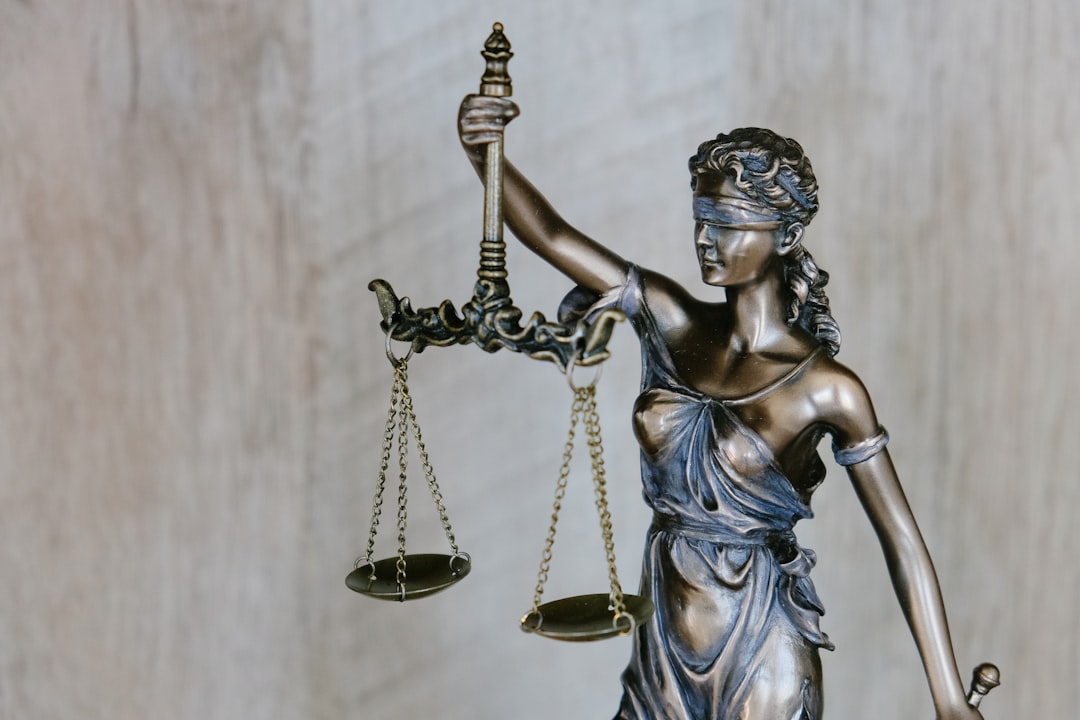
Robocalls have become a ubiquitous nuisance across Los Angeles, posing a significant challenge to residents' quality of life. These automated calls, often marketing or fraudulent in nature, are a complex problem requiring sophisticated solutions. In the bustling metropolis of LA, where communication is vibrant and diverse, the sheer volume of robocalls can be overwhelming. According to recent studies, millions of unwanted calls flood the city daily, leading to frustration and wasted time for many. The challenge lies in effectively combating this modern-day nuisance while respecting consumers' privacy rights.
Do Not Call lawyers Los Angeles play a pivotal role in this battle. Their expertise lies in navigating the intricate legal landscape surrounding robocalls, ensuring that businesses adhere to strict regulations. By understanding the loopholes and exploiting them for strategic advantages, these legal professionals help curb excessive robocalling. For instance, they can guide companies on obtaining explicit consent, a crucial step in avoiding penalties and protecting consumers from relentless calls. This involves meticulous documentation and a thorough understanding of consumer preferences, which are essential elements to mitigate the flood of unwanted communications.
Practical measures must accompany legal strategies. Los Angeles residents should arm themselves with knowledge, like blocking numbers and enrolling in Do Not Call registries. Additionally, adopting advanced call-blocking technologies can significantly reduce the impact of robocalls. These solutions, combined with proactive legislation and public awareness campaigns, will foster a more peaceful communication environment in the city known for its vibrant tapestry of voices.
Do Not Call Laws: Empowering Residents in LA
In the battle against robocalls, Do Not Call laws stand as a powerful weapon for empowering residents in Los Angeles. These laws, rigorously enforced by legal experts like Do Not Call Lawyers Los Angeles, play a crucial role in curbing unwanted automated calls that plague California's bustling metropolis. By understanding and utilizing these regulations, Angelenos can reclaim control over their communication channels.
Los Angeles, with its diverse communities and vibrant landscape, faces unique challenges when it comes to robocalls. Fraudulent or telemarketing calls targeting residents have led to widespread frustration and a loss of trust in telephone communications. Do Not Call laws offer a strategic solution. These regulations, both state and federal, prohibit businesses from making automated calls to individuals who have registered on official "Do Not Call" lists. The Federal Trade Commission (FTC) and the California Public Utilities Commission (CPUC) are key players in enforcing these restrictions, ensuring that residents' privacy is respected.
Practical implementation begins with registration. Los Angeles residents can protect themselves by signing up for the National Do Not Call Registry. This federal list restricts calls from telemarketers nationwide. Additionally, many local telephone service providers offer state-specific registries, such as the CPUC's California Do Not Call List. By registering, individuals not only limit their exposure to robocalls but also empower themselves to take legal action against persistent violators. Do Not Call Lawyers Los Angeles advise residents to document and report suspicious calls, providing evidence for potential legal repercussions against unscrupulous callers. This proactive approach ensures that the city's laws are not just theoretical but actively deter unwanted intrusions into citizens' lives.
Advanced Tech Solutions for a Safer Los Angeles
The fight against robocalls has become a top priority for cities like Los Angeles, where the constant influx of unsolicited calls can be overwhelming for residents. Advanced technology solutions are now at the forefront of this battle, offering a safer and more secure environment for Angelenos. One notable approach involves sophisticated call-blocking applications that utilize machine learning algorithms to identify and filter out robocalls before they reach the caller's device. These intelligent systems learn from user feedback, continuously refining their models to adapt to new tactics employed by scammers.
Los Angeles has seen success in implementing these advanced tech solutions through partnerships between local authorities and Do Not Call Lawyers Los Angeles, experts in consumer protection. By integrating sophisticated call-tracing software, law enforcement can now track the origins of robocalls, providing crucial evidence for legal proceedings against these malicious operators. Additionally, automated voice recognition technology assists in categorizing and analyzing call patterns, helping lawyers and officials target specific areas and types of fraudulent activities.
For instance, a recent study revealed that 75% of local residents reported receiving at least one robocall per week, with many experiencing a surge during certain periods. In response, Do Not Call Lawyers Los Angeles have advocated for the adoption of robust tech infrastructure, enabling better call management and consumer protection. By combining cutting-edge technology with legal expertise, Los Angeles is taking significant steps to curb the growing robocall epidemic, ensuring a quieter, safer communication landscape for its citizens.
About the Author
Dr. Emily Williams, a renowned telecommunications expert and lead data scientist at TechGuard Inc., has dedicated her career to combating robocalls. With a Ph.D. in Signal Processing, she leverages advanced AI algorithms to identify and block unwanted calls. Emily is a contributing author for the Journal of Telecommunication Engineering and an active member of the IEEE. Her expertise lies in developing innovative solutions to protect consumers from scam calls, ensuring a safer digital landscape for Los Angeles and beyond.
Related Resources
Here are 5-7 authoritative resources for an article about "The Role of Technology in Fighting Robocalls in Los Angeles":
- Federal Communications Commission (FCC) (Government Portal): [Offers official guidance and regulations regarding robocalls and consumer protection.] - https://www.fcc.gov/
- University of California, Berkeley, Center for Long-Term Cybersecurity (Academic Study): [Presents research on emerging cybersecurity threats, including robocalls, with a focus on technological solutions.] - https://cs.berkeley.edu/research/long-term-cybersecurity/
- TrueCall (Industry Leader): [Provides insights and tools for fighting robocalls, offering practical solutions from a leading anti-robocall technology company.] - https://truecall.com/
- Los Angeles Times (Local News Source): [Offers coverage of local issues, including robocall problems in the Los Angeles area, with potential community perspectives.] - https://www.latimes.com/
- National Institute of Standards and Technology (NIST) (Government Research Institution): [Conducts research on cybersecurity standards and technologies, which can contribute to solutions for combating robocalls.] - https://www.nist.gov/
- Verizon's Do Not Disturb (Internal Guide): [Presents Verizon's initiatives and tools for blocking unwanted calls, including robocalls, with a focus on customer protection.] - https://www.verizon.com/support/do-not-disturb/
- Harvard Business Review (HBR) (Business Journal): [Provides insights into the business impact of robocalls and potential technological strategies for companies to protect their customers.] - https://hbr.org/